
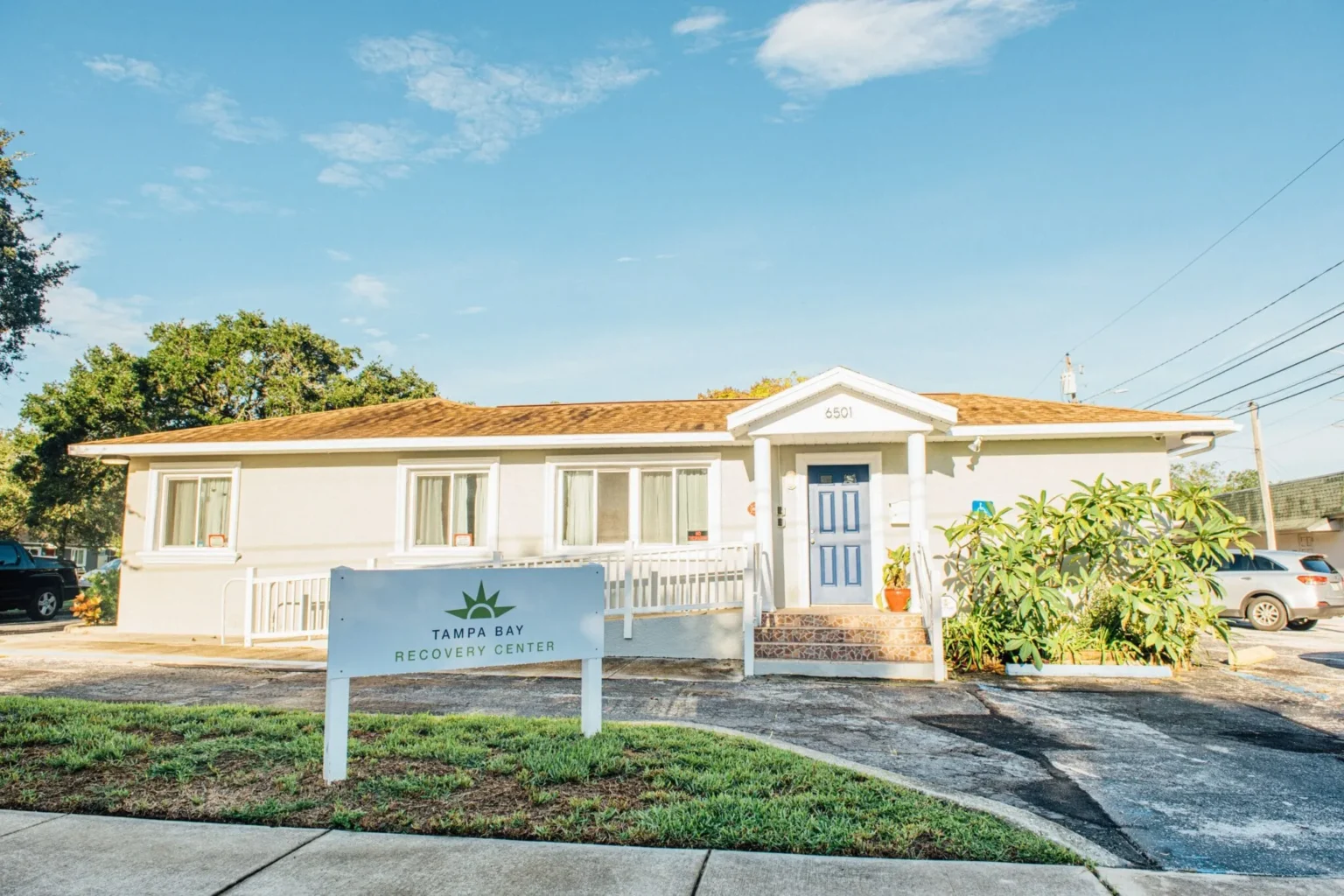
Making the decision to seek addiction treatment can be the beginning of an important life transformation. Substance dependency can affect a person's health, confidence, family relationships, and ability to manage everyday responsibilities. Finding professional rehabilitation services provides an opportunity to address these difficulties with appropriate care and guidance. Rehabs in Tampa offer a range of treatment approaches for individuals looking to overcome substance-related challenges and improve their quality of life.
From medical assistance and therapeutic counseling to structured recovery programs, different treatment options can help individuals work toward healthier routines and lasting personal growth.
Exploring Available Addiction Treatment Approaches
Rehabilitation involves understanding the physical, emotional, and behavioral factors connected to substance use. Professional treatment teams evaluate individual circumstances before recommending appropriate services.
Depending on personal requirements, recovery may involve medical assessments, individual therapy, group counseling, behavioral treatment, and ongoing clinical support. A structured approach helps individuals understand their challenges and develop practical skills for managing daily life without relying on harmful substances.
Specialized Support for Drug and Alcohol Recovery
Drug and alcohol dependency can affect people in different ways. Some individuals experience physical withdrawal symptoms, while others face emotional difficulties and behavioral patterns that make recovery challenging.
Professional rehabilitation services may offer medically supervised detoxification, medication-assisted treatment, addiction counseling, and relapse prevention strategies. Treatment recommendations depend on the substance involved and the individual's medical condition.
Residential Rehabilitation and Structured Care
Residential treatment provides an organized recovery environment for individuals who need more intensive assistance. Patients stay at a treatment facility while participating in scheduled therapeutic and recovery activities.
Programs may include individual counseling, group sessions, behavioral therapy, wellness activities, and educational workshops. This structured setting can help individuals focus on treatment while receiving regular professional supervision.
Outpatient Programs for Everyday Flexibility
Some individuals need consistent professional support while continuing suitable responsibilities outside a rehabilitation facility. Outpatient treatment offers scheduled therapy and counseling without requiring an overnight stay.
Intensive outpatient programs provide additional treatment structure through more frequent appointments and therapeutic sessions. Healthcare professionals determine whether outpatient care is appropriate based on clinical evaluations and recovery needs.
Treating Mental Health Alongside Addiction
Mental health challenges can complicate the recovery process, particularly when substance use occurs alongside depression, anxiety, trauma, or other psychological concerns.
Dual diagnosis services address substance use disorders and co-occurring mental health conditions together. Treatment may involve psychiatric evaluations, counseling, medication management, and evidence-based behavioral therapies.
Addressing both conditions can help individuals develop healthier coping mechanisms and improve their emotional well-being.
The Role of Counseling in Successful Recovery
Counseling provides individuals with an opportunity to explore personal experiences and understand the behaviors associated with substance use. Individual therapy focuses on personal challenges, while group counseling encourages communication and shared learning.
Behavioral therapies can also help patients recognize triggers, change harmful thought patterns, and develop healthier responses to stressful situations.
Supporting Recovery Through Family Involvement
Addiction can create emotional pressure for both individuals and their loved ones. Family involvement can strengthen communication and encourage a more supportive recovery environment.
Family counseling and educational resources help relatives understand addiction and learn how to provide meaningful encouragement. Healthy boundaries and realistic expectations are equally important for maintaining positive relationships.
Continuing Progress After Rehabilitation
Long-term recovery requires commitment beyond the completion of a formal treatment program. Aftercare services help individuals remain connected to professional guidance and supportive recovery communities.
Continued counseling, peer support meetings, regular health assessments, and positive daily routines can contribute to sustained progress. Developing strategies for handling stress and avoiding personal triggers can also strengthen recovery efforts.
Important Factors When Selecting a Rehab Facility
Choosing a rehabilitation provider involves reviewing several important considerations. Individuals should investigate clinical qualifications, licensing, treatment methods, medical supervision, and the availability of specialized programs.
It is also useful to understand admission requirements, insurance arrangements, treatment expenses, and aftercare planning. Comparing these details helps individuals and families identify services that match their needs.
Conclusion
Exploring rehabs in Tampa can help individuals discover different approaches to addiction treatment and personal recovery. Rehabs in Tampa Whether someone needs residential rehabilitation, outpatient counseling, medical detox, or integrated mental health care, selecting appropriate professional support is an important decision. With personalized treatment and continued guidance, individuals can develop healthier behaviors, rebuild important relationships, and move toward a more stable future.

