

Catholic book publishing provides a valuable opportunity for writers to share religious teachings, spiritual experiences, historical knowledge, and educational resources with a wider audience. Books centered on Catholic traditions can help readers explore their faith, understand religious history, and develop a deeper appreciation of spiritual values. From devotional literature to academic publications, this publishing field covers a wide range of subjects and audiences.
Exploring Different Types of Catholic Literature
Catholic publications include many forms of written material. Authors may develop prayer books, Bible study guides, saint biographies, theological discussions, church history resources, and inspirational stories.
Each category serves a different purpose. Some books support personal reflection, while others are designed for religious education, community discussions, and academic study. Identifying the intended audience helps authors create content that communicates effectively.
Developing Authentic Religious Content
Preparing a meaningful religious manuscript requires thoughtful research and careful writing. Authors should organize their ideas, provide appropriate references, and maintain accuracy when discussing Catholic teachings and traditions.
A well-structured manuscript makes complex subjects easier to understand. Clear explanations, relevant examples, and consistent chapter organization can improve the overall reading experience.
Editing and Reviewing Catholic Manuscripts
Professional editing helps improve the quality of religious publications. Editors can review sentence structure, language, organization, and consistency while preserving the author's original message.
Proofreading is another important stage. It identifies spelling mistakes, punctuation problems, and formatting inconsistencies before the manuscript moves into production. Careful review is particularly valuable for publications containing quotations, scripture references, and theological terminology.
Designing Covers for Religious Publications
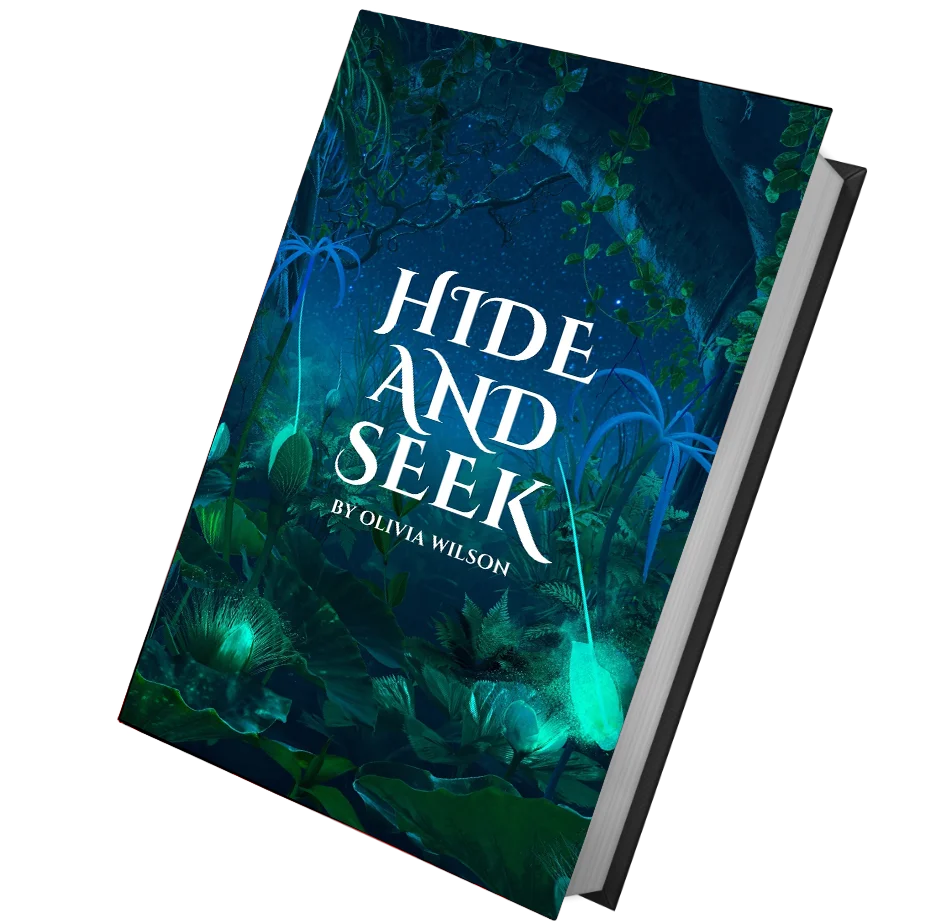
A book cover should communicate the subject and atmosphere of the publication. Catholic books may feature traditional artwork, church architecture, symbolic imagery, or elegant typography.
Professional designers can create coordinated front covers, back covers, and spine layouts. The design should remain visually balanced and suitable for the intended readers.
Formatting and Preparing the Interior
Interior formatting gives a religious book a clear and organized structure. Proper chapter headings, readable fonts, consistent margins, and balanced paragraph spacing help readers follow the material.
Special attention may be necessary for prayers, biblical quotations, footnotes, references, and study questions. Preparing the interior according to paperback, hardcover, or ebook specifications helps maintain quality across different editions.
Selecting the Right Publishing Method
Authors interested in Catholic literature can explore traditional publishing, independent publishing, and self-publishing. Each approach offers different levels of creative control, professional assistance, and financial responsibility.
Before selecting a publisher, writers should review its experience with religious literature, available services, publishing agreements, and distribution arrangements. For works addressing official Catholic doctrine, appropriate theological review may also be important.
Reaching Religious and Educational Communities
Distribution helps connect Catholic publications with readers who may benefit from their content. Potential audiences include churches, schools, libraries, religious organizations, students, and individuals interested in Christian literature.
Online bookstores and digital reading platforms can provide additional opportunities to introduce books to a broader audience.
Promoting Catholic Books Effectively
A thoughtful marketing strategy can help authors introduce their publications to interested communities. Websites, social media, newsletters, religious events, and book discussion groups can provide useful promotional opportunities.
Sharing selected excerpts, explaining the purpose behind a book, and connecting with relevant readers can gradually build awareness and encourage meaningful engagement.
Conclusion
Catholic book publishing allows authors to share religious knowledge, historical insights, spiritual reflections, and educational material through professionally developed publications. From manuscript preparation and theological catholic book publishing review to cover design, formatting, and distribution, every stage contributes to the finished book. With careful planning and suitable publishing support, writers can create meaningful literature that informs, inspires, and connects with readers.

