
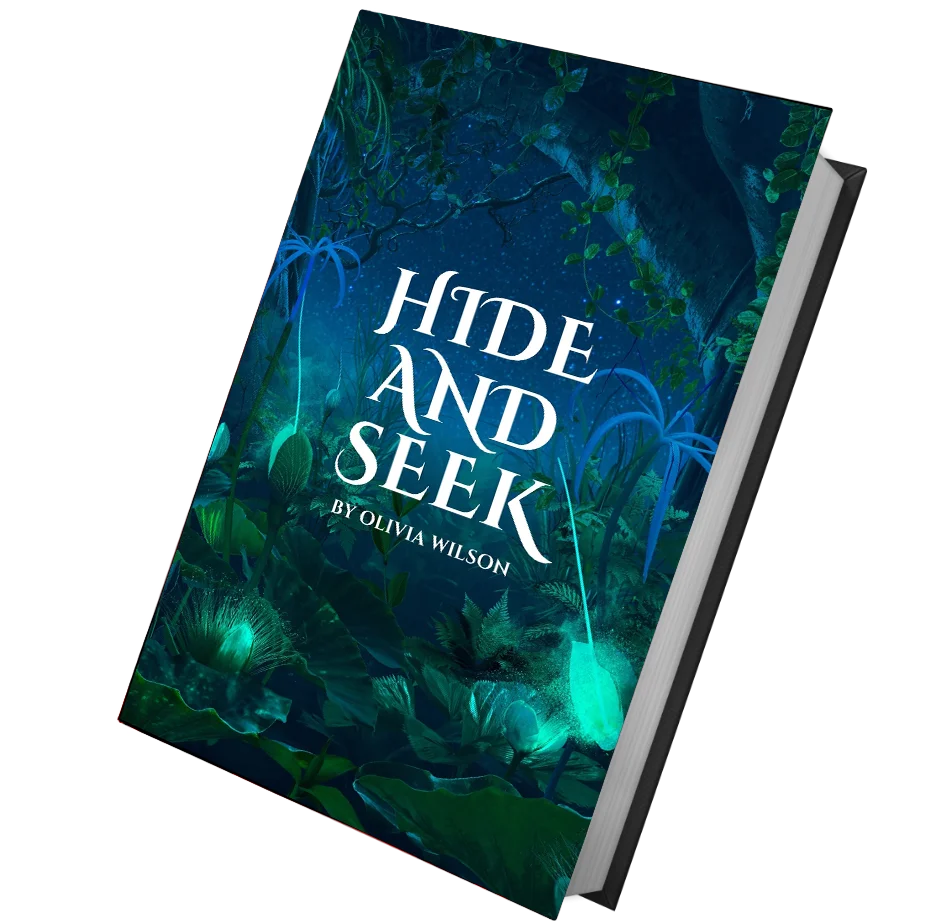
The publishing industry has changed significantly over the years, giving authors more choices when it comes to bringing their books to readers. While traditional publishing remains an important option, many writers are now exploring independent publishing. Independent publishing companies can provide authors with greater flexibility, professional support, and opportunities to publish books that may not fit the traditional publishing model.
Whether you are writing fiction, nonfiction, children's literature, memoirs, poetry, or specialized books, understanding how independent publishing works can help you make a better decision about your publishing journey.
What Are Independent Publishing Companies?
Independent publishing companies are publishers that operate separately from the largest traditional publishing groups. They may focus on specific genres, audiences, subjects, or types of books.
Independent publishers can offer a more specialized approach to publishing. Some accept submissions directly from authors, while others work with literary agents. Their publishing models, contracts, editorial processes, and distribution networks can vary considerably.
Authors should research each company carefully to determine whether its publishing approach matches their goals.
Why Authors Consider Independent Publishing
One of the main reasons authors explore independent publishers is the possibility of receiving more personalized attention. Smaller publishing teams may work closely with authors throughout the editing, design, and production process.
Independent publishers can also specialize in particular genres. This can be useful for authors whose books are designed for a specific audience or subject area.
For some writers, the opportunity to work with a publisher that understands their particular type of book is more important than working with a large publishing organization.
Professional Editing
Editing is a major part of producing a quality book. Independent publishers may provide developmental editing, copyediting, and proofreading depending on their publishing model.
Developmental editing focuses on the overall structure and content of a manuscript. Copyediting improves grammar, clarity, consistency, and sentence structure. Proofreading checks for remaining errors before publication.
Authors should always ask what level of editing is included before accepting a publishing agreement.
Cover Design and Book Formatting
A professional cover can help a book make a strong first impression. Independent publishing companies may provide cover design services based on the book's genre and target audience.
Formatting is equally important. The interior of a book needs appropriate fonts, margins, chapter layouts, page numbers, and other design elements. If the book contains images or illustrations, these also need to be positioned correctly.
Professional production can help ensure that the final book looks polished in both print and digital formats.
Greater Creative Collaboration
Independent publishing can sometimes provide authors with a more collaborative publishing experience. Depending on the company and contract, authors may have more involvement in decisions about the title, cover, interior design, and marketing.
However, every publisher operates differently. Authors should never assume that an independent publisher will provide complete creative control without checking the agreement.
Understanding who makes each publishing decision can prevent confusion later.
Distribution Opportunities
Distribution is an important consideration when choosing a publisher. Authors want their books to be accessible to potential readers through appropriate sales channels.
Independent publishers may distribute books through online retailers, bookstores, libraries, specialty stores, or direct sales. The available channels depend on the publisher and its distribution relationships.
Before signing a contract, authors should ask where their books will be distributed and how royalties and sales reporting will work.
Independent Publishing vs Self Publishing
Independent publishing and self publishing are related but different approaches. With an independent publisher, the publishing company typically takes responsibility for some or many aspects of production and distribution.
With self publishing, the author generally manages the publishing process and hires individual professionals or uses publishing platforms to produce and distribute the book.
The best option depends on how much control, professional support, time, and responsibility the author wants to have.
Marketing Support
Publishing a book does not guarantee that readers will discover it. Marketing can help create awareness and reach the appropriate audience.
Some independent publishers provide promotional assistance such as social media campaigns, author websites, publicity, advertising, book launch support, or promotional materials.
Authors should ask for specific details about marketing services rather than relying on general promises of promotion or sales.
How to Choose Independent Publishing Companies
Authors should compare several publishers before making a decision. Start by examining the company's publishing history and the types of books it produces.
Look for information about editorial services, cover design, distribution, royalties, rights, marketing, and production costs. Read the publishing agreement carefully and make sure you understand your responsibilities.
Authors should also be cautious about companies that make unrealistic guarantees about bestseller status, guaranteed sales, or immediate success.
Questions to Ask Before Signing
Before entering a publishing agreement, authors can ask several important questions.
What services are included? Who owns the publishing rights? How are royalties calculated? Where will the book be distributed? Who controls the ISBN? What marketing is provided? Are there additional fees for editing, printing, revisions, or promotion?
Clear answers to these questions can help authors compare publishers and avoid unexpected costs.
Benefits for New Authors
Independent publishing companies can be particularly appealing to new authors who want professional assistance without pursuing the largest traditional publishing houses.
An experienced independent publisher may guide an author through manuscript preparation, production, distribution, and promotion. This can make the publishing process easier to understand and help new writers avoid common mistakes.
However, authors should still take an active role in researching contracts and understanding the publishing business.
Final Thoughts
Independent publishing companies give authors another path toward becoming published writers. They can offer specialized expertise, professional production services, distribution opportunities, and a potentially more collaborative publishing experience.
The right publisher will depend on your genre, publishing goals, budget, desired creative control, and expectations for professional support. Take time to compare companies, investigate their publishing history, understand their contracts, and ask detailed questions before making a commitment.
With careful research and realistic expectations, independent publishing can provide authors with a valuable route for turning a completed manuscript into a professional book.

